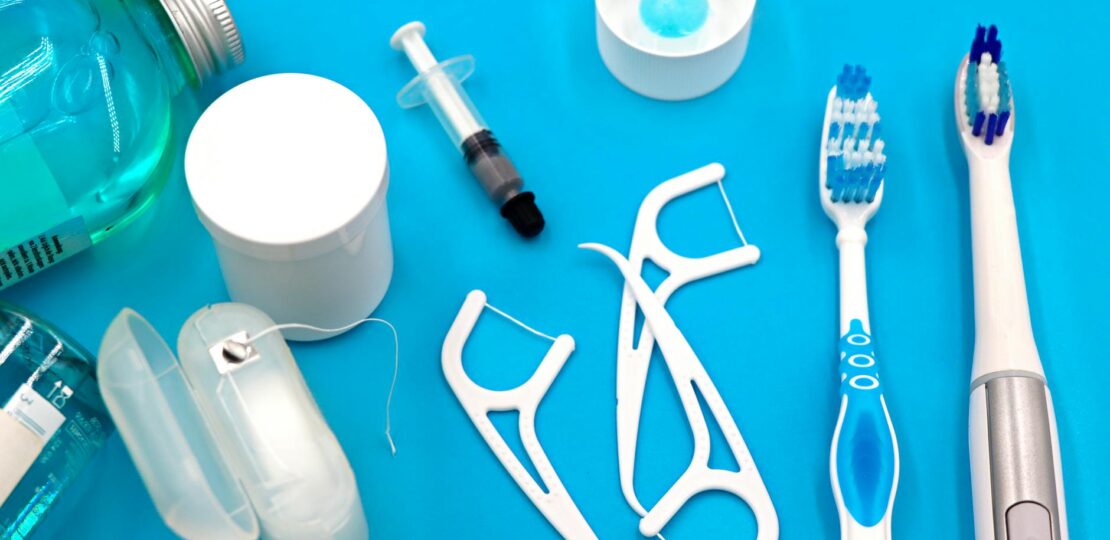
When we think about self-care, images of face masks, meditation apps, and yoga sessions often come to mind. Yet one of the most impactful self-care practices remains surprisingly overlooked: dental health. Taking care of your teeth and gums isn’t just about preventing cavities—it’s a foundational element of self-care that influences your physical health, mental wellbeing, and daily confidence.
Integrating dental health as part of self-care transforms it from a chore into an act of kindness toward yourself. Just as you nourish your body with healthy food and movement, caring for your oral health is an investment in your overall quality of life.
The Hidden Connection Between Oral Health and Whole-Body Wellness
Your mouth is not an isolated system—it’s intimately connected to the rest of your body. Research consistently shows that oral health problems can contribute to cardiovascular disease, diabetes complications, respiratory infections, and pregnancy complications. The bacteria from gum disease can enter your bloodstream, triggering inflammatory responses throughout your body.
Conversely, maintaining excellent dental health supports your immune system, reduces systemic inflammation, and can even improve your body’s ability to manage blood sugar levels. When you brush and floss daily, you’re not just preventing bad breath—you’re actively protecting your heart, lungs, and metabolic health.
This interconnection makes dental health a cornerstone of holistic self-care. It’s impossible to achieve optimal wellness while neglecting the health of your teeth and gums.
Building a Daily Dental Self-Care Routine
The beauty of dental self-care is that it requires just minutes each day to make a substantial difference. Here’s how to build a routine that feels less like a task and more like a ritual of self-respect.
Morning Oral Care as a Mindful Practice
Start your day by making your dental routine intentional. Rather than rushing through brushing while mentally planning your day, use these two minutes as a grounding practice. Focus on the sensation of the brush, the taste of the toothpaste, and the fresh feeling that follows. This mindful approach transforms routine hygiene into a moment of presence.
Use a soft-bristled toothbrush and gentle circular motions. Harsh scrubbing doesn’t clean better—it can actually damage your enamel and gums. Treat your mouth with the same gentleness you’d apply to your face during skincare.
The Evening Wind-Down
Your nighttime dental routine can signal to your body that it’s time to transition into rest mode. After brushing, take time to floss properly between each tooth. This is where most plaque buildup occurs, and it’s also where most people skip.
Consider adding a therapeutic mouthwash that addresses your specific needs, whether that’s sensitivity, gum health, or cavity prevention. The ritual of swishing for 30 seconds can become a calming transition between your active day and restful night.
Professional Care as an Extension of Self-Care
While daily home care forms the foundation, professional dental visits are equally important to comprehensive self-care. Regular cleanings remove tartar that brushing alone cannot eliminate, and early detection of issues prevents small problems from becoming painful emergencies.
Think of dental appointments not as something to dread, but as a form of preventive self-care—similar to annual health screenings or massage therapy for stress relief. Many people find that working with attentive dental professionals, such as those at an incheon dental clinic, makes these visits feel more like wellness appointments than medical procedures.
Professional care also includes treatments that enhance both health and confidence, from deep cleanings that restore gum health to cosmetic procedures that help you feel more comfortable with your smile. When these treatments align with your self-care goals, they become investments in how you present yourself to the world.
The Confidence Factor in Daily Life
Self-care isn’t purely about physical health—it’s deeply intertwined with how we feel about ourselves. Dental health significantly impacts confidence and social comfort. When your mouth feels clean and your breath is fresh, you engage more freely in conversations, smile without hesitation, and feel more assured in professional and personal interactions.
Poor dental health, on the other hand, can create a cycle of self-consciousness that affects mental wellbeing. People with untreated dental issues often report avoiding social situations, covering their mouths when they laugh, or feeling anxious during close conversations. Addressing dental health breaks this cycle and opens up space for more authentic self-expression.
This psychological dimension is why dental health truly qualifies as self-care. It’s not vanity to want healthy teeth—it’s recognizing that feeling good about your smile contributes to overall life satisfaction and mental health.
Nutrition as Dental Self-Care
What you eat plays a dual role in self-care: nourishing your body while either supporting or undermining your dental health. Foods rich in calcium, phosphorus, and vitamins C and D strengthen tooth enamel and support gum health. Crunchy vegetables like carrots and celery naturally clean teeth while you eat them.
On the flip side, frequent snacking on sugary or acidic foods creates an environment where harmful bacteria thrive. This doesn’t mean you can never enjoy treats—it means being mindful about timing and follow-up care. Eating sweets with meals rather than as standalone snacks, and rinsing your mouth afterward, minimizes damage while still allowing enjoyment.
Staying hydrated is another simple but powerful form of dental self-care. Water helps wash away food particles and bacteria, and it stimulates saliva production—your mouth’s natural defense system against decay.
Making Dental Health a Non-Negotiable Habit
The key to successful self-care is consistency, and dental health is no exception. The most advanced toothbrush or premium toothpaste provides no benefit if it’s not used regularly. Here’s how to make dental care as automatic as other daily routines.
Environmental Cues
Keep your dental care supplies visible and accessible. A beautiful toothbrush holder or an aesthetically pleasing soap dish for your floss container can make these items feel like part of your self-care collection rather than hidden necessities.
Habit Stacking
Attach your dental routine to existing habits. If you never miss your morning coffee, let the end of your coffee ritual be the trigger for brushing your teeth. If you have a consistent evening skincare routine, let flossing be the first step before you wash your face.
Progress Tracking
Some people find motivation in tracking their dental care consistency, just as they might track workouts or meditation sessions. A simple checkmark on a calendar for each day you complete your full routine can provide visual reinforcement of your commitment to self-care.
Beyond the Basics: Advanced Dental Self-Care
Once you’ve established consistent daily habits, you might explore additional practices that support oral health. Tongue scraping removes bacteria that brushing alone might miss, potentially improving both oral health and taste sensation. Oil pulling, while still being researched, is practiced by many as a supplementary technique for oral detoxification.
Electric toothbrushes with pressure sensors and timers can optimize your brushing technique, ensuring you’re neither being too aggressive nor rushing through the process. Water flossers offer an alternative for people who struggle with traditional floss, making thorough cleaning more accessible.
These tools aren’t necessary for everyone, but they demonstrate that dental self-care can evolve with your interests and needs, just like other aspects of your wellness routine.
The Bigger Picture of Self-Respect
Ultimately, treating dental health as part of self-care is about recognizing your inherent worth. You deserve to live without tooth pain. You deserve to smile freely. You deserve to invest a few minutes daily in preventing future problems rather than dealing with painful emergencies.
This mindset shift—from dental care as obligation to dental care as self-respect—makes all the difference. When you approach brushing, flossing, and professional visits as ways of honoring your body and supporting your long-term wellbeing, these actions become meaningful rather than burdensome.
Dental health as self-care also models important values for those around you, especially children who learn from observed behaviors. When they see adults treating oral health as a valued part of daily routines, they’re more likely to develop positive habits early.
Embracing the Journey
If your dental health hasn’t been a priority in the past, starting now is what matters. Self-care isn’t about perfection—it’s about consistent small actions that accumulate into significant improvements. Even if you’ve experienced dental problems or neglect, beginning a dedicated dental self-care routine today can prevent further issues and gradually restore your oral health.
Every time you choose to brush for the full two minutes, to floss even when you’re tired, or to schedule that cleaning appointment you’ve been postponing, you’re practicing self-care. You’re making a statement that your health, comfort, and confidence matter.
In a world that constantly demands our attention and energy, caring for your dental health is a powerful act of turning that attention inward—toward your own needs, your own body, and your own future wellbeing. It’s self-care in its truest, most practical form.
RELATED POSTS
View all