When we think about self-care, our minds often drift to spa days, skincare routines, or dental checkups. But one aspect of personal wellness that deserves far more attention is vision health. Your eyesight affects nearly every aspect of your daily life—from the moment you wake up and check your phone to the late-night book you read before bed. For those experiencing clouded or declining vision due to cataracts or other lens-related issues, lens implant surgery has emerged as a transformative self-care option that can restore clarity and renew your zest for life.
Why Vision Matters More Than You Think
Vision is one of those precious gifts we often take for granted until it starts to fade. Unlike other health concerns that announce themselves with pain or discomfort, vision deterioration can be gradual and insidious. You might find yourself holding your phone at arm’s length, struggling to read street signs while driving, or avoiding activities you once loved because they’ve become frustratingly difficult.
This gradual decline doesn’t just affect your ability to see—it impacts your confidence, independence, and willingness to engage with the world around you. Studies have shown that people with vision impairment are more likely to experience social isolation, decreased physical activity, and even depression. When you can’t see clearly, you naturally become more hesitant to participate in social gatherings, try new experiences, or maintain the active lifestyle that keeps both body and mind healthy.
Understanding Lens-Related Vision Problems
The natural lens in your eye works much like a camera lens, focusing light onto the retina to create clear images. As we age, this lens can become cloudy, leading to cataracts—one of the most common age-related vision conditions. Cataracts cause blurred vision, increased sensitivity to glare, faded colors, and difficulty seeing at night. While cataracts are often associated with aging, they can also develop due to injury, certain medications, or underlying health conditions.
Other lens-related issues include presbyopia (age-related difficulty focusing on close objects) and complications from previous eye injuries. Regardless of the cause, when your natural lens is compromised, it creates a barrier between you and the vibrant, detailed world you deserve to experience.
Lens Implant Surgery: A Path to Renewed Vision
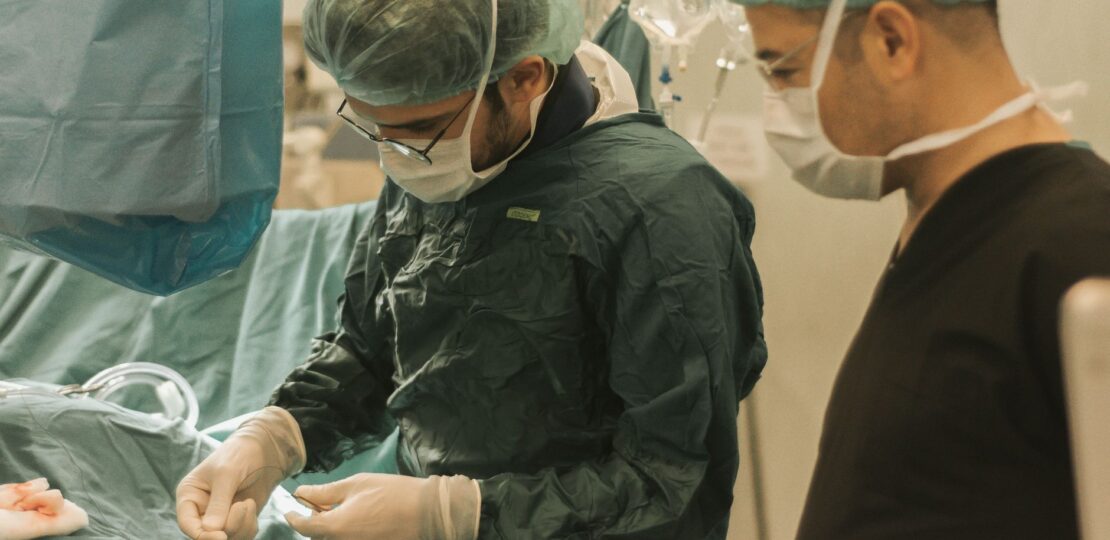
Modern lens implant surgery represents one of the most successful and commonly performed procedures in medicine today. During the procedure, the clouded or damaged natural lens is carefully removed and replaced with an artificial intraocular lens (IOL). These artificial lenses are designed to restore clear vision and, in many cases, can even correct pre-existing refractive errors like nearsightedness or farsightedness.
What makes this procedure particularly remarkable is its track record of success and relatively quick recovery time. Most patients notice significant improvement in their vision within days, with full recovery typically occurring within a few weeks. The procedure itself is usually performed on an outpatient basis using local anesthesia, meaning you can return home the same day.
Types of Intraocular Lenses
One of the exciting aspects of modern lens implant surgery is the variety of IOL options available. Monofocal lenses provide clear vision at one distance—typically far vision—and are the most common choice. Multifocal lenses offer the ability to see clearly at multiple distances, reducing or eliminating the need for reading glasses. Toric lenses are specifically designed to correct astigmatism, while accommodating lenses can shift focus between near and far objects, mimicking the natural lens more closely.
Your eye care specialist will help you choose the lens type that best matches your lifestyle needs and visual goals. This personalized approach ensures that your lens implant surgery delivers results tailored specifically to how you live your life.
The Life-Changing Impact of Clear Vision
The benefits of restoring your vision through lens replacement extend far beyond simply seeing more clearly. When you can see the world in sharp focus again, you’re more likely to engage in physical activities that improve your overall health. Whether it’s reading the instructions at a new fitness class, safely navigating hiking trails, or confidently driving to meet friends for dinner, clear vision enables the active, connected lifestyle that defines true wellness.
Many patients report that regaining their vision feels like rediscovering colors they had forgotten existed. Imagine seeing your loved ones’ faces in crisp detail again, appreciating the subtle hues in a sunset, or reading a book without straining or frustration. These aren’t small pleasures—they’re fundamental aspects of experiencing life fully.
Confidence and Independence
There’s a profound psychological component to vision restoration that mirrors what we see with other self-care procedures covered on this site. Just as dental work or skincare can boost your confidence in social situations, clear vision empowers you to tackle your daily challenges head-on. You no longer need to rely on others to read labels, navigate unfamiliar places, or handle tasks that require visual precision.
This renewed independence often sparks a positive cascade effect. People who undergo successful lens implant surgery frequently report taking up new hobbies, traveling more, and generally embracing a more adventurous approach to life. When you’re not constantly worried about whether you can see well enough to participate, you’re free to say yes to opportunities that come your way.
Is Lens Implant Surgery Right for You?
If you’ve been struggling with clouded vision, increasing difficulty with daily tasks, or a diagnosis of cataracts, it’s worth having a conversation with an eye care specialist about your options. The decision to pursue lens implant surgery is deeply personal and should be based on how your vision issues are affecting your quality of life.
Good candidates for the procedure typically include people with cataracts that interfere with daily activities, those who haven’t found adequate relief from glasses or contact lenses, and individuals seeking to correct refractive errors while addressing lens opacity. Most people over 60 will develop some degree of cataract formation, making this a relevant consideration for a large portion of the population.
What to Expect
Before surgery, you’ll undergo a comprehensive eye examination to assess your overall eye health and determine the best lens option for your needs. The procedure itself usually takes less than an hour per eye, with many patients reporting minimal discomfort. Most surgeons recommend treating one eye at a time, with the second procedure scheduled a few weeks after the first has healed.
Recovery involves using prescribed eye drops to prevent infection and reduce inflammation, avoiding strenuous activities for a short period, and attending follow-up appointments to monitor your healing progress. The vast majority of patients experience dramatic vision improvement with very few complications.
Vision Health as Part of Your Wellness Journey
Just as we maintain our teeth through regular dental visits, care for our skin with quality products and sun protection, and address other health concerns proactively, our eyes deserve the same thoughtful attention. Vision health is not a luxury—it’s a fundamental component of overall wellness that affects your ability to engage with life fully.
Making the choice to address vision problems through lens implant surgery is an investment in your future self. It’s choosing to see the world clearly, to maintain your independence, and to continue pursuing the activities and relationships that bring meaning to your life. In the context of making your day “harder” in the sense of more challenging, more engaging, and more rewarding, clear vision is the foundation that makes all of that possible.
Taking the Next Step
If you’re ready to explore how lens implant surgery might fit into your self-care journey, start by scheduling a comprehensive eye exam with a qualified ophthalmologist. Come prepared with questions about your specific vision concerns, your lifestyle needs, and what you hope to achieve through treatment. A good eye care provider will take the time to explain your options, address your concerns, and help you make an informed decision about your vision health.
Remember that taking care of your vision isn’t vanity—it’s a practical step toward maintaining the quality of life you deserve. Whether you’re struggling to read, finding night driving increasingly stressful, or simply noticing that the world seems a bit dimmer than it used to be, there are solutions available. Clear vision empowers you to live actively, engage confidently, and embrace each day with renewed clarity and purpose.
Your eyes are your windows to the world. Investing in their health through procedures like lens implant surgery is one of the most meaningful forms of self-care you can practice—one that pays dividends in every aspect of your daily life for years to come.
RELATED POSTS
View all


 Photo by Brooke Lark on Unsplash
 Making Your Day Harder: A Path to Healthier Living
September 5, 2023 | by makeyourdayharder.com